Pool models, construction conditions and care to help you plan your project.
In this guide 4
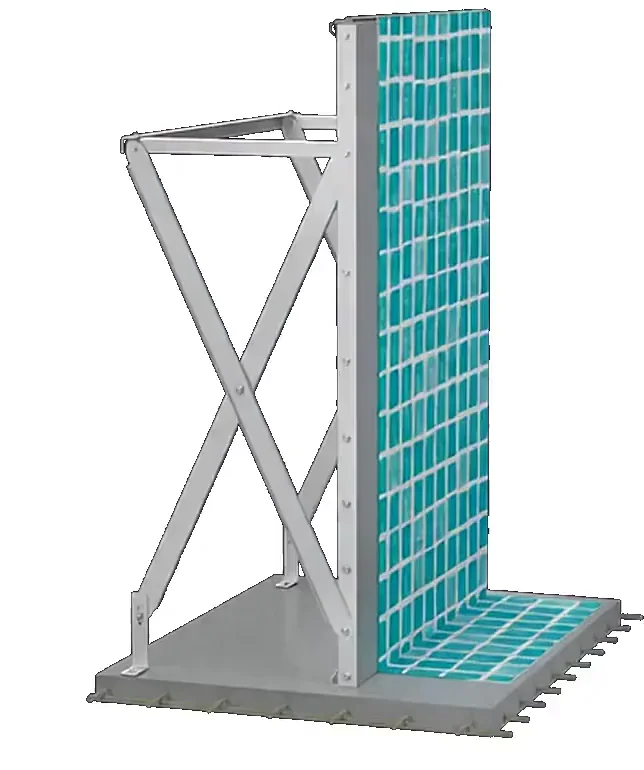
Selection note: The Fiplus shell is made of 20 mm F-Stone fibre cement panel; the galvanized steel external cross leg is a separate component from the shell. Maldiv (oval) and Bora (round) have special alloy steel casings; they are not stainless, inox or fibreglass casings. The shell warranty periods are 25 years for the Fiplus casing and 10 years for Maldiv/Bora; coverage, exclusions and conditions depend on the written warranty document and do not constitute an unconditional commitment against damage of every kind. Dimensions, performance and suitability must be verified separately for the selected product and project.
The core elements that reduce the chance of pool enjoyment turning into an accident are the physical barrier installed around the pool, the supervision arrangement, passive safety markings and adequate lighting. In rental villas and boutique hotels in particular, cervical spine injuries caused by head-first dives into water of unknown depth, and falls into the pool in the dark, can expose operators to serious legal liability. In the Sermed Havuz approach to safety, clear depth markings on the coping (for example 1.40 m / 1.50 m), "No Diving" warning pictograms, homogeneous underwater night lighting and the choice of non-slip surfaces are recommended as the fundamental components of safe operation. These measures are intended to reduce risk; no equipment eliminates the risk of drowning, and none replaces adult supervision.
A warning sign does not spoil the look of your pool; it helps reduce risk. Safety is the most fundamental component of luxury.
01. The Danger of Head-First Dives into Shallow Pools and Poor Visibility at Night
The main causes behind pool accidents:
- Misjudging a Depth of 1.40 m: In a villa pool with a height of 1.50 m, the net water depth is roughly 1.40 metres. This depth is insufficient for head-first diving; a diver striking their head on the floor risks serious spinal injury.
- Blind Spots at the Pool Edge at Night: Because of inadequate lighting, guests walking in the garden may fail to notice the pool edge and fall into the water.
- Slips on Wet Surfaces: Failing to select anti-slip surrounding paving can lead to falls and head trauma, especially with running children.
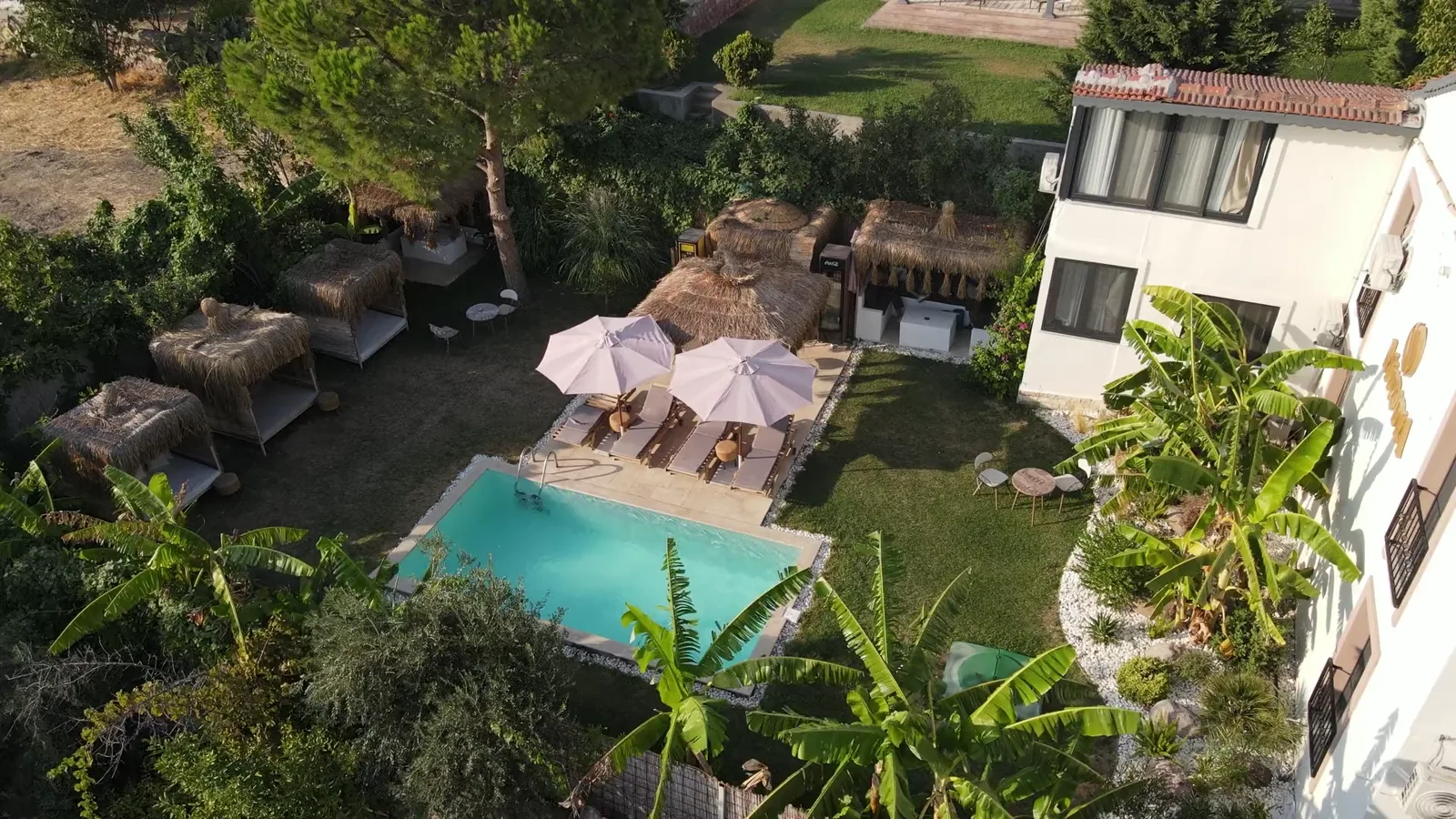 Fiplus ↗
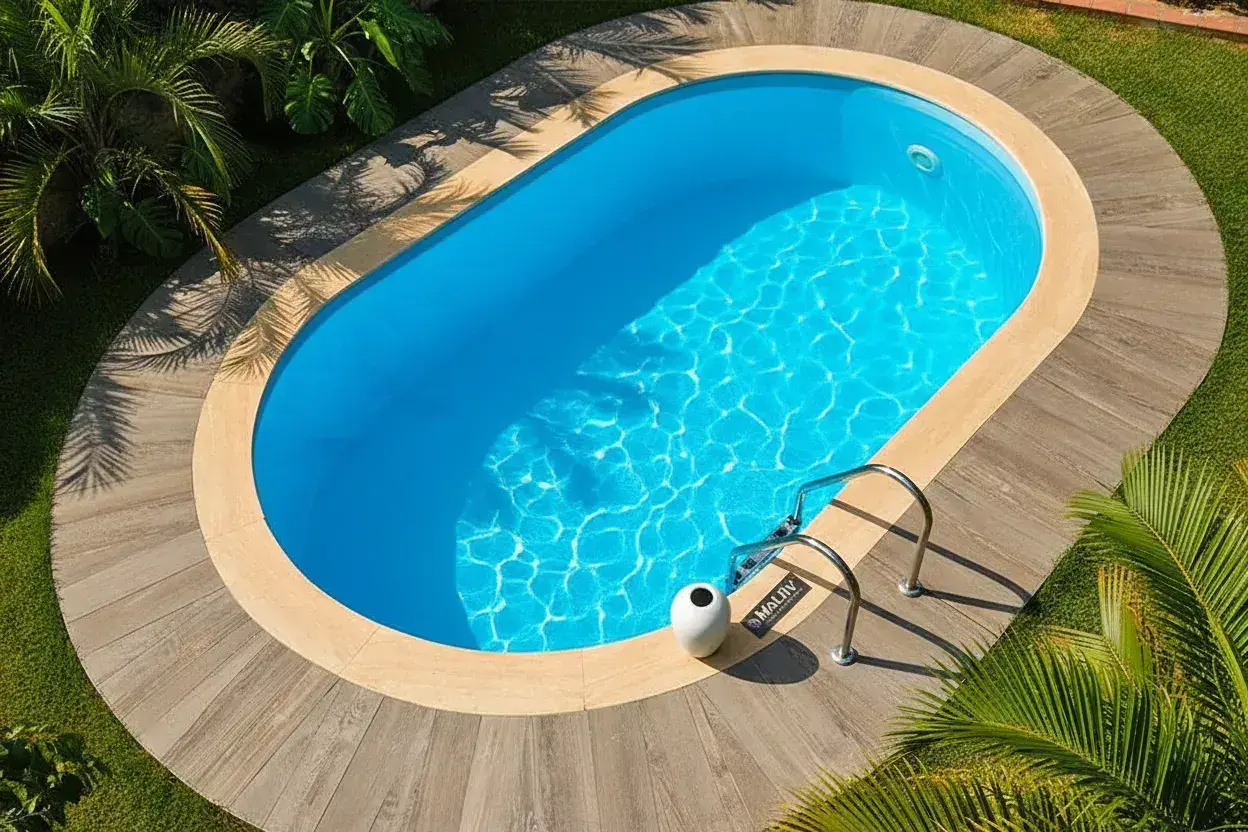 Maldiv ↗
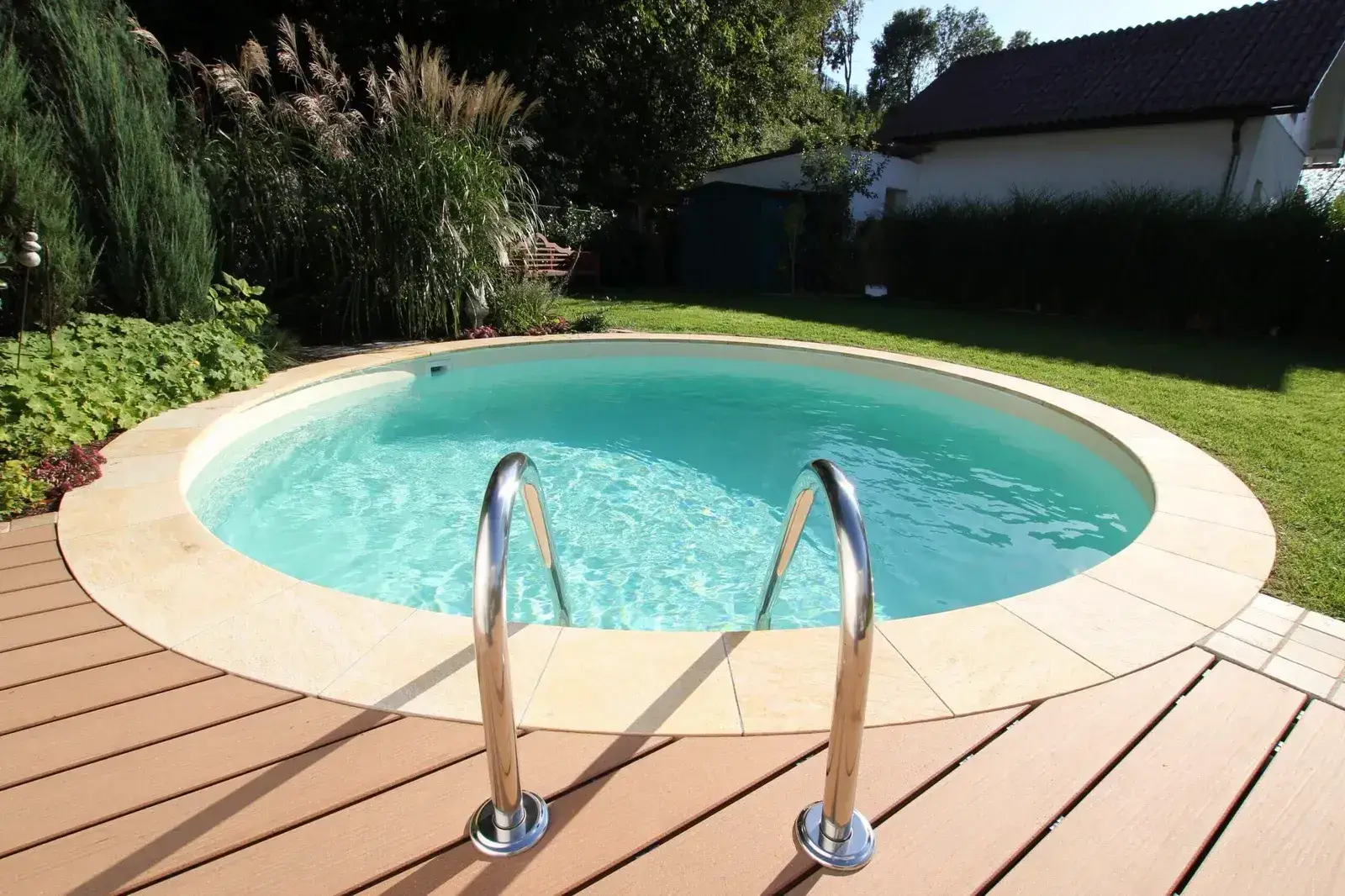 Bora ↗
02. Sermed Havuz Visual Safety Standards: Depth Level, Pictogram and LED Layout
Safety practices recommended by Sermed Havuz:
- Depth Lettering on the Coping: Durable UV-printed ceramic tiles are placed on the coping stones with information based on actual measurement, such as "Depth: 1.40 m", together with the "No Diving" pictograms widely used internationally.
- Homogeneous Underwater LED Lighting: Lamps are positioned facing away from the seating area rather than towards it, so that the pool floor is illuminated without dazzling the eye. All electrical work must be carried out by a qualified electrical specialist in line with local standards; general-purpose do-it-yourself work is not appropriate.
- Non-Slip Coping and Terrace Surface: Around the pool it is recommended to use travertine, porcelain or sandblasted marble for which the manufacturer has declared a slip resistance class (for example R11 or equivalent). The declared class must be verified from the technical documentation of the specific product to be used.
- Life Ring and First Aid Station: Keeping a life ring with rope and first aid equipment at the poolside is a widespread safety practice in commercial facilities; the list of mandatory equipment and its dimensions must be confirmed from the local legislation in force.
03. Pool Safety Signage and Lighting Safety Table
| Safety Equipment | Placement and Standard | Type of Accident Prevented | Legal Requirement |
|---|---|---|---|
| Depth Marker Tile | At a minimum of 2 points on the coping (actual measured depth) | Misjudged depth and head impact | Generally required in commercial facilities; confirm from local legislation |
| "No Diving" Symbol | Red pictogram on the entrance side | Spinal injuries caused by head-first dives | Generally required in commercial facilities; confirm from local legislation |
| 12V SMD LED Spotlights | Planning example: 1 unit per 15 m² / facing the opposite direction (final count determined by the lighting design) | Falls into the water in the dark at night | Electrical installation must be carried out by a qualified person in line with local standards |
| Non-Slip Surrounding Paving | Manufacturer-declared slip resistance class (for example R11) | Slips and falls with wet feet | Recommended practice in walkway design |
Conclusion: A pool where safety measures have been fully implemented reduces the owner's liability risk while offering guests a safer holiday; even so, supervision and a physical barrier remain necessary in all circumstances.
Frequently asked questions
In family and guest use, how do depth signs, non-slip surfaces and underwater lighting prevent accidents?
Depth signs and "No Diving" pictograms help reduce the risk of injury from head-first dives into shallow water. Underwater LED lighting shows the pool boundaries more clearly at night and so lowers the risk of falls; non-slip surrounding surfaces aim to reduce slips with wet feet. These measures are not sufficient on their own; for child safety, a physical barrier with a gate around the pool and uninterrupted adult supervision are essential. A pool cover is likewise no substitute for a barrier and supervision.
Should pool lighting be left on throughout the night?
In facilities accommodating guests, keeping underwater LED lighting on all night or connecting it to an automatic timer is a useful practice for visibility and deterrence. The decision is made according to the facility's pattern of use and energy management.
What should the minimum depth be for head-first diving?
Published standards for swimming and diving facilities require significantly greater depths for areas where diving will take place; the general view is that safe diving requires a depth of at least roughly 1.80 metres or more. The value to be applied must be confirmed from the relevant current standard for the facility type. Head-first dives should not be made into villa pools of around 1.40 m.
Can depth lettering be applied onto the liner?
Self-adhesive vinyl depth markings produced for underwater use and resistant to UV and chlorine can be applied to the liner. Whether the product can be applied under water, and the required surface preparation, must be checked in that product's own instructions; for a lasting and legible result, application is generally more reliable on a clean, dry surface.