Pool models, construction conditions and care to help you plan your project.
In this guide 4
- 01Restrictions on Heavy Reinforced Concrete Construction in Heritage Sites and Protected Areas
- 02The Sermed Havuz Demountable Steel Frame: An Above-Ground Solution With No or Minimal Excavation
- 03Legal and Structural Comparison of Conventional Reinforced Concrete and Demountable Pools in Protected Zones
- 04Frequently Asked Questions
Project note: The base thickness, concrete class, reinforcement, excavation allowance, pipe diameter and quantities given in this guide are preliminary planning examples; they do not constitute a structural design that can be applied to every site. The design must be prepared by a qualified engineer after evaluating the geotechnical investigation, groundwater, loads and local regulations. Even a full pool can be affected by external hydrostatic pressure; emptying, drainage and electrical work require expert supervision.
Regulatory note: The legal observations below are for general information and are not based on any specific regulatory provision. The rules governing excavation, construction and permits in archaeological sites, buffer zones and coastal protection zones vary from plot to plot and with current legislation. Before any installation, a written application should be made to the competent cultural heritage authority and to the municipality's planning department, and the status of the plot together with the permits required should be confirmed officially.
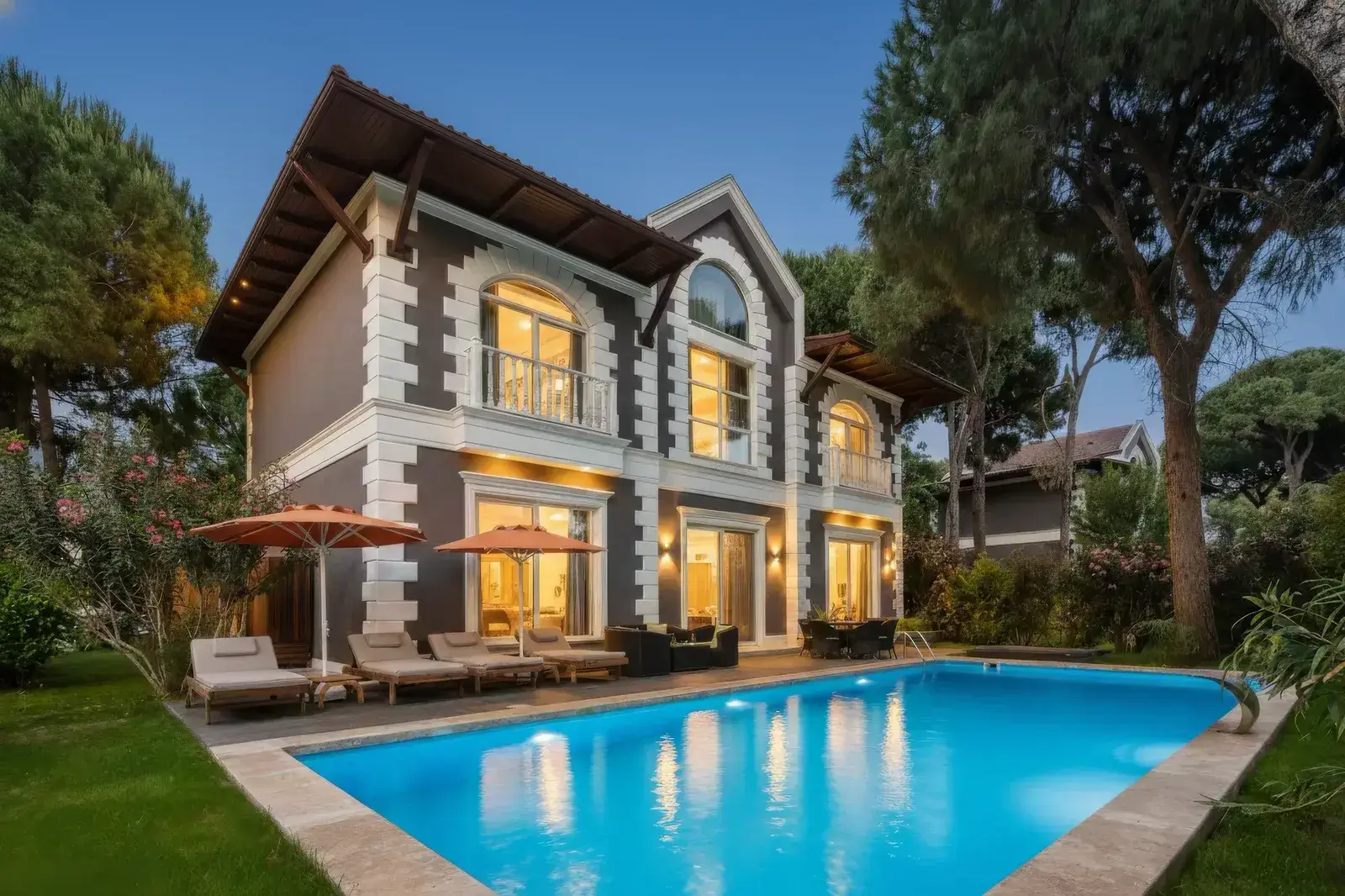
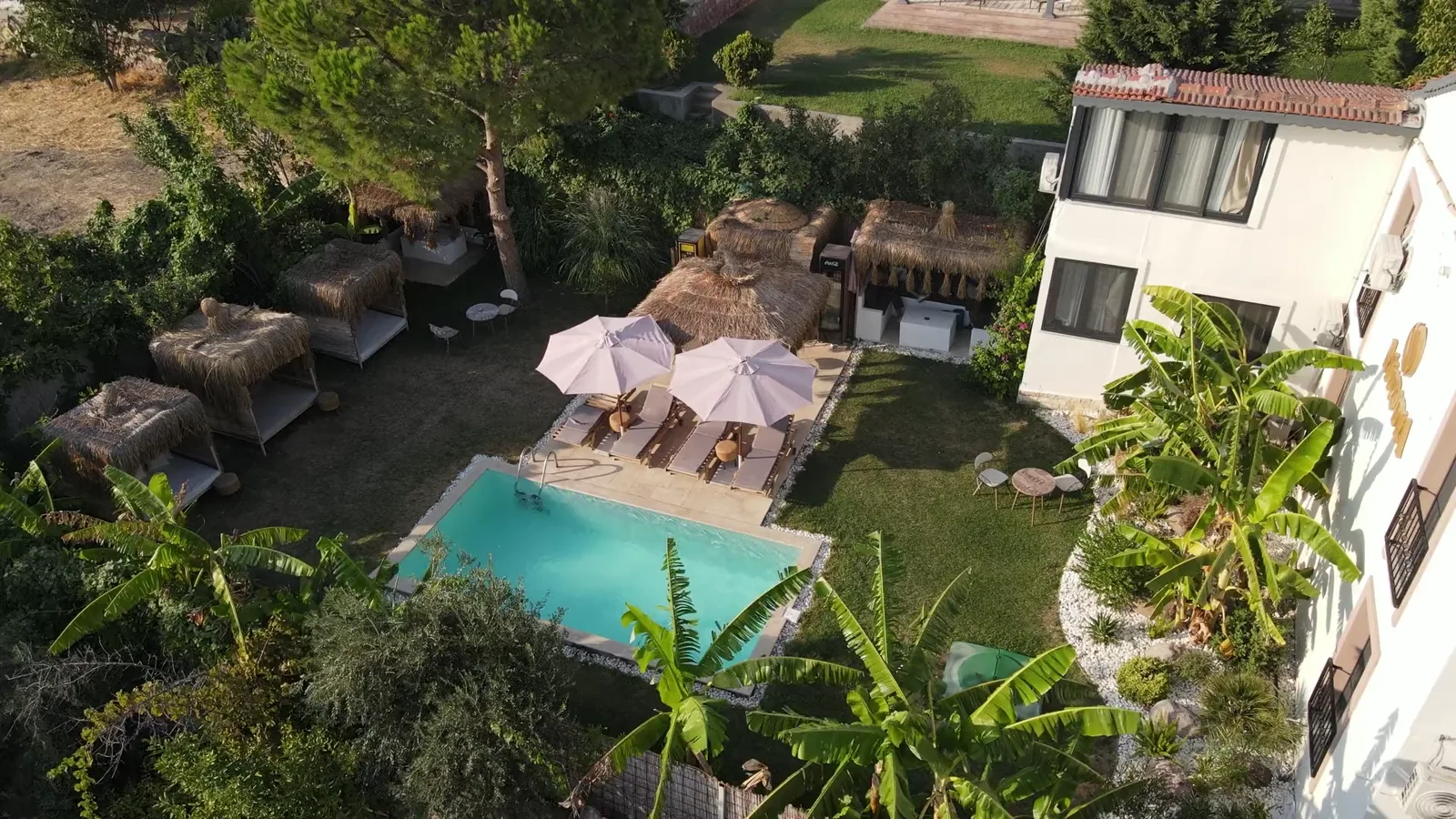
On villa plots around Gonio Roman Fortress (Gonio-Apsaros) and within the coastal protection zone, the main restriction property owners may encounter is that deep foundation excavations and permanent concrete pours are subject to permission or are limited. In areas with protected status, deep excavation carried out without authority approval can lead to work being halted and to administrative penalties. The demountable, dismantlable, lightweight steel-framed Bora and Maldiv models from Sermed Havuz offer the flexibility of above-ground or partially sunken installation requiring little excavation. How these models will be treated in legal terms on a given plot, however, depends on the decision of the competent authority and must be confirmed in advance.
Building in heritage and natural protection areas is not about dominating the land but about respecting it. A demountable pool installed without cutting deep into the ground aims both to provide comfort at your villa and to protect cultural heritage.
01. Restrictions on Heavy Reinforced Concrete Construction in Heritage Sites and Protected Areas
These are the points property owners around Gonio and Apsaros need to take into account; each of them must be confirmed with the competent authority on a plot-by-plot basis:
- Deep Excavation Permits: In areas with protected status, excavations exceeding a certain depth may require authority permission and supervision because of the possibility of archaeological remains; unauthorised excavation can result in work being stopped. The threshold depth is set according to the status of the plot and the decision of the authority.
- The Permanent Structure Permit Process: Adding a permanent reinforced concrete structure to the garden may require a building permit and the approval of the relevant board in protected zones. The length of the process varies with the application and the authority; no commitment as to duration can be given in this guide.
- Restrictions on Access for Heavy Vehicles: On narrow, protected streets, access restrictions or special permits may apply to heavy plant and concrete pumps.
- Protection of Existing Underground Structures: Should underground drainage or water structures from the historic period be found, work must not continue and the relevant authority must be notified.
 Fiplus ↗
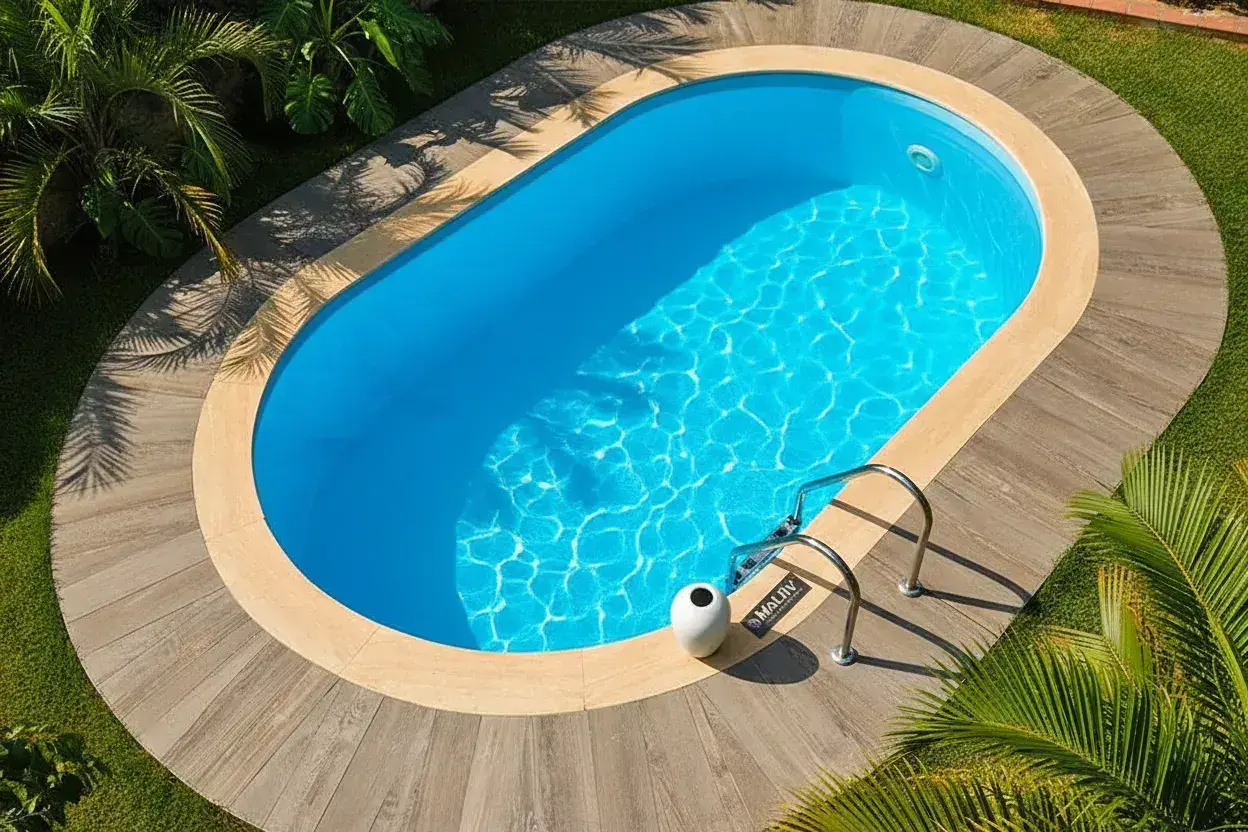 Maldiv ↗
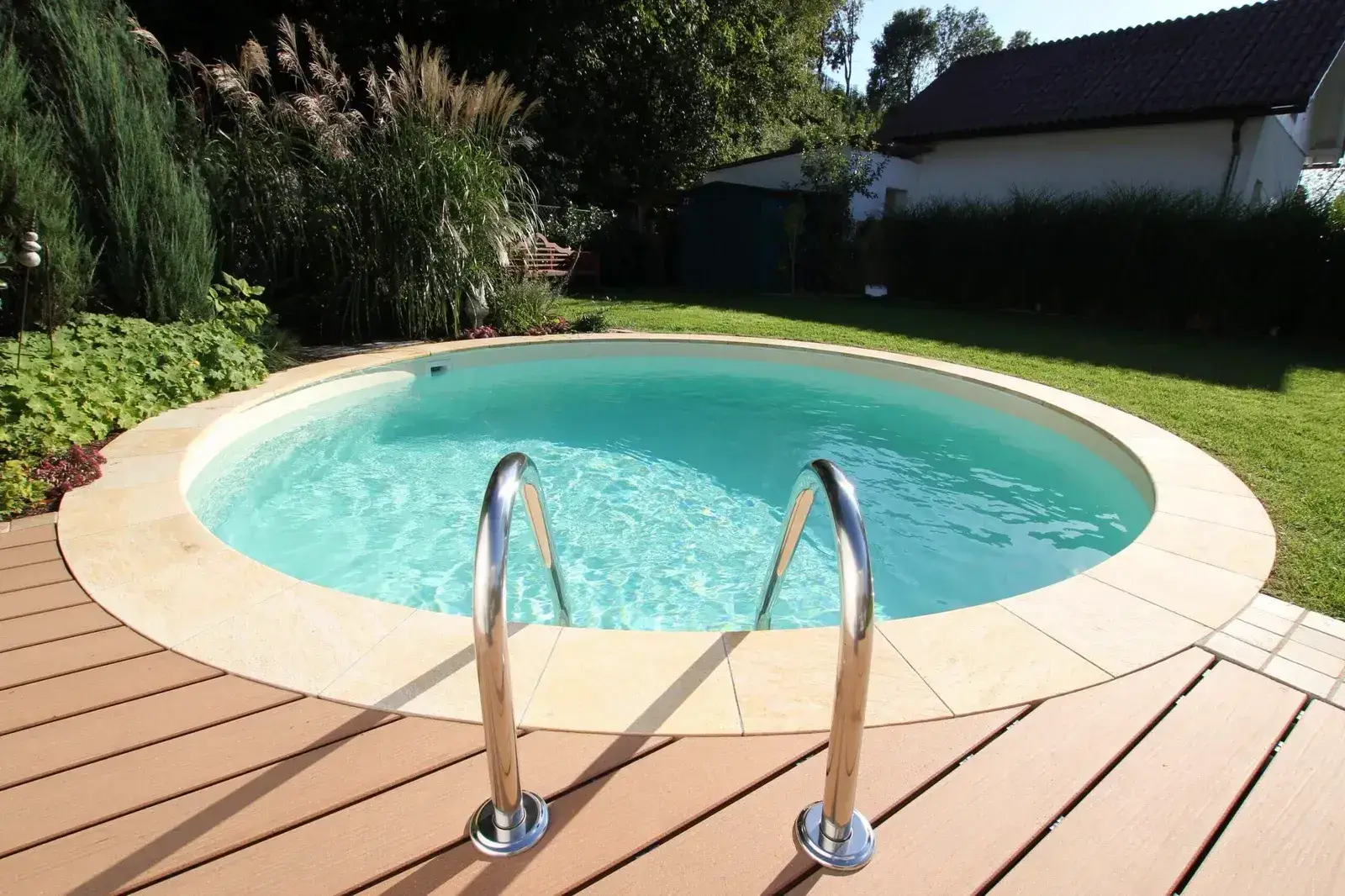 Bora ↗
02. The Sermed Havuz Demountable Steel Frame: An Above-Ground Solution With No or Minimal Excavation
Sermed Havuz offers lightweight, dismantlable models for special plots within protected zones:
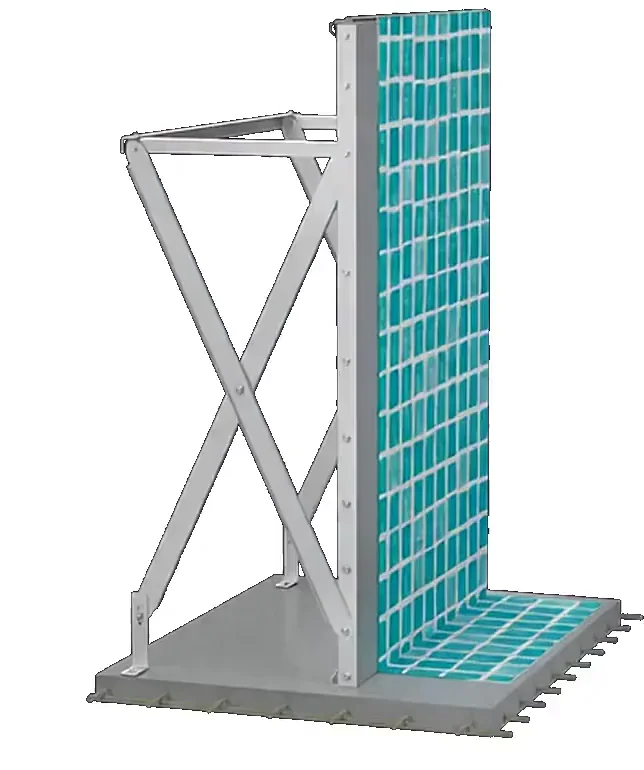
- Bora Above-Ground Circular Installation: The circular Bora model, available from Ø3.5 m up to Ø8 m, can be installed on levelled and compacted ground, or on a platform whose bearing capacity has been calculated, without deep ground excavation. The Bora and Maldiv shells use a special alloy steel casing; it is not stainless steel or fibreglass. For the internal lining, either a 0.8 mm homogeneous liner or a 1.5 mm reinforced liner is chosen.
- Demountable and Portable Design: Because the system is made up of independent steel modules bolted together, it is dismantlable equipment. Whether this technical characteristic means the pool will be classed as a "permanent structure" on a given plot is not an automatic conclusion; the final classification and any permit requirement are determined by the competent authority.
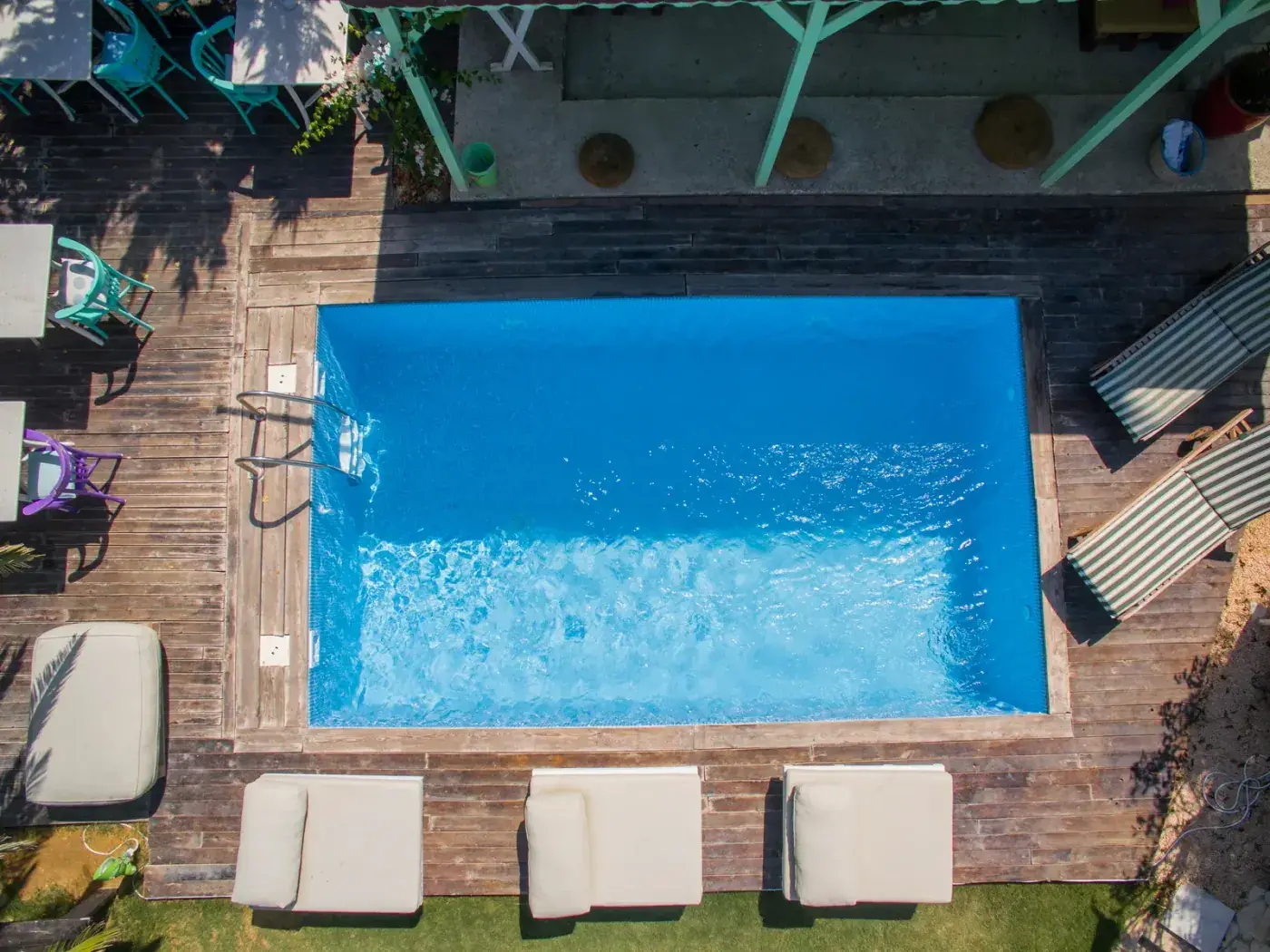
- Aesthetic Screening with Timber Decking: The exposed steel frame above ground is surrounded with local chestnut or composite panelled decking, producing an appearance in keeping with the historic character of the area.
- The MyBox Quiet Cabinet: Rather than being excavated deep into the ground, the plant room can be placed above ground beneath the timber terrace, keeping intervention in the ground to a minimum. The electrical installation must be carried out by a qualified electrical specialist in accordance with local standards.
03. Legal and Structural Comparison of Conventional Reinforced Concrete and Demountable Pools in Protected Zones
The comparison below is a summary of the general approach; timescales and legal status vary with the plot and with the decision of the authority.
| Criterion / Legal Position | Conventional Reinforced Concrete Pool | Sermed Bora / Maldiv Demountable Frame | Compatibility with the Gonio Protected Zone |
|---|---|---|---|
| Excavation Depth | Typically deep excavation in the order of 1.80 m | No excavation, or shallow levelling of 40 to 50 cm | Intervention in the ground is markedly reduced; authority approval is nevertheless required |
| Legal Status | Generally treated as a permanent structure | Designed as dismantlable, portable equipment | The final status is determined by the competent authority; no exemption can be promised |
| Need for Heavy Plant | Excavator, breaker, concrete mixer | Hand tools and compact panel handling | Very low load and vibration impact on narrow, protected streets |
| Ability to be Dismantled | Dismantling produces rubble | Thanks to its bolted construction it can be taken apart and moved elsewhere | The flexibility to return the plot largely to its original condition |
| Installation Time | Can extend to several months depending on site conditions | Assembly is quick on prepared ground; the time depends on the model, access and weather conditions | No universal guarantee of duration is given |
Conclusion: the lowest-risk way of planning a pool around Gonio Roman Fortress is to proceed with dismantlable systems that require little excavation and to carry the process through with the approval of the competent authority.
Frequently asked questions
Are dismantlable or modular steel pool solutions legal on plots with special status where heavy concrete pours are restricted or risky?
Dismantlable steel pools are technically in the nature of portable equipment and they reduce the need for deep excavation. Whether this amounts to an exemption from permit requirements on a given plot, however, depends on the protected status of the plot and on current local legislation. Before installation, the position should be confirmed by making a written application to the municipality's planning department and to the cultural heritage authority.
When a Bora pool is installed above ground, how do its side walls withstand water pressure?
The Bora pool works on the strength principle of the circular form. Thanks to hoop stress, the water pressure is distributed around the circular steel casing. Even so, whether it safely withstands the full water load depends on the ground being level, on its bearing capacity, and on full compliance with the manufacturer's assembly instructions. If an above-ground platform is to be used, the platform must be structurally calculated to cover the water, human and live loads as well.
Is an above-ground pool affected by wind in winter?
For as long as the pool is full of water, the weight of the water inside holds the structure substantially in place, and timber decking built around it can also reduce the effect of the wind. When the pool is emptied, or while it is partly empty, the effect of the wind increases, so the winterising instructions should be followed and covers should be secured safely. In addition, if the external water level rises above the internal water level, the liner can lift even when the pool is full; this is why drainage around the pool matters.
Can the pool be dismantled and taken away if the house is sold later on?
Yes; thanks to the bolted demountable system, once the pool water has been drained it can be taken apart, moved to a new address and reassembled. The time required varies with the model, the size of the team and site access. Warranty cover in the case of dismantling, transport and reassembly is subject to the written warranty conditions: the Fiplus casing warranty is 25 years, and for Maldiv and Bora it is 10 years, and the warranty is not an assurance against damage from hydrostatic or seismic effects.