Pool models, construction conditions and care to help you plan your project.
In this guide 4
Project note: The foundation thickness, concrete class, reinforcement, excavation allowance, pipe diameter and quantities mentioned in this guide are preliminary planning examples; they do not constitute a structural design that can be applied to every site. The design must be prepared by a qualified engineer after evaluating the geotechnical investigation, groundwater, loads and local regulations. A full pool can also be affected by external hydrostatic pressure; when the external water level exceeds the internal water level, liner lifting can occur even in a full pool. Draining, drainage and electrical work require expert supervision; electrical connections must be made by authorized persons in accordance with local standards.
When running an open construction site in Batumi and along the Black Sea coastal belt, one of the critical risks is sudden downpours that can deliver heavy rainfall in a short time even during the summer months. The rainfall and duration figures in this text are example scenarios; planning should be based on up-to-date meteorological data for the specific project and on local drainage conditions. If precautions are not taken immediately after the excavation is dug, the open pool pit can fill with water or mud within a short time; the wetted subgrade can lose its bearing capacity and the site program can be disrupted. In the Sermed Havuz site discipline, the standard approach applied is to open a temporary sump pit on the day of excavation, to install a submersible pump with an automatic float switch, and to cover the base quickly with a crushed stone blanket.
On a construction site you do not fight water; you plan and manage in advance where the water will flow. In rainy climates, leaving the excavation pit unprotected while relying solely on the weather forecast is not an engineering approach.
01. Ponding in the Excavation Pit and the Risk of Slope Collapse During Sudden Downpours
On the coast of Adjara, humid air masses arriving from over the sea can deliver heavy rainfall within a short time. At the excavation stage, the following oversights disrupt the site:
- The Base Turning into a Mud Slurry: If the bare clayey subgrade is submerged after the excavation level has been reached, the soil can exceed its plasticity limit and its bearing capacity can drop markedly. As an illustration, a value on the order of
1.5 kg/cm²dropping to levels of0.3 kg/cm²is a hypothetical scenario; real values can only be determined by a geotechnical investigation. Concrete must not be poured until this softened layer has been removed. - Excavation Slopes Softening and Flowing Inward: Earth walls cut at a steep angle become heavier as they absorb rainwater and can slide, filling the excavated area with spoil. For slope safety, shoring or an adjustment of the slope angle must be designed where necessary.
- Surface Runoff from the Neighboring Plot: Where no temporary earth bund is formed around the site, surface water coming from higher ground can flow directly into the excavation pit.
- Impaired Concrete Setting: If standing water is not removed while the base slab concrete is being poured, the water/cement ratio of the mix can be altered and the concrete may fail to reach its target strength.
 Fiplus ↗
 Maldiv ↗
 Bora ↗
02. The Sermed Havuz Emergency Dewatering Station, Sump Pit and Crushed Stone Shield
Sermed Havuz site teams manage the risk of rainfall in the following four steps:
- Corner Sump Pit: In the lowest corner of the excavation, a temporary collection well measuring 60×60 cm is dug, extending approximately 50 cm deeper than the pool base. A perforated bucket is placed inside the pit and coarse crushed stone is packed around it. The dimensions are adapted to site conditions.
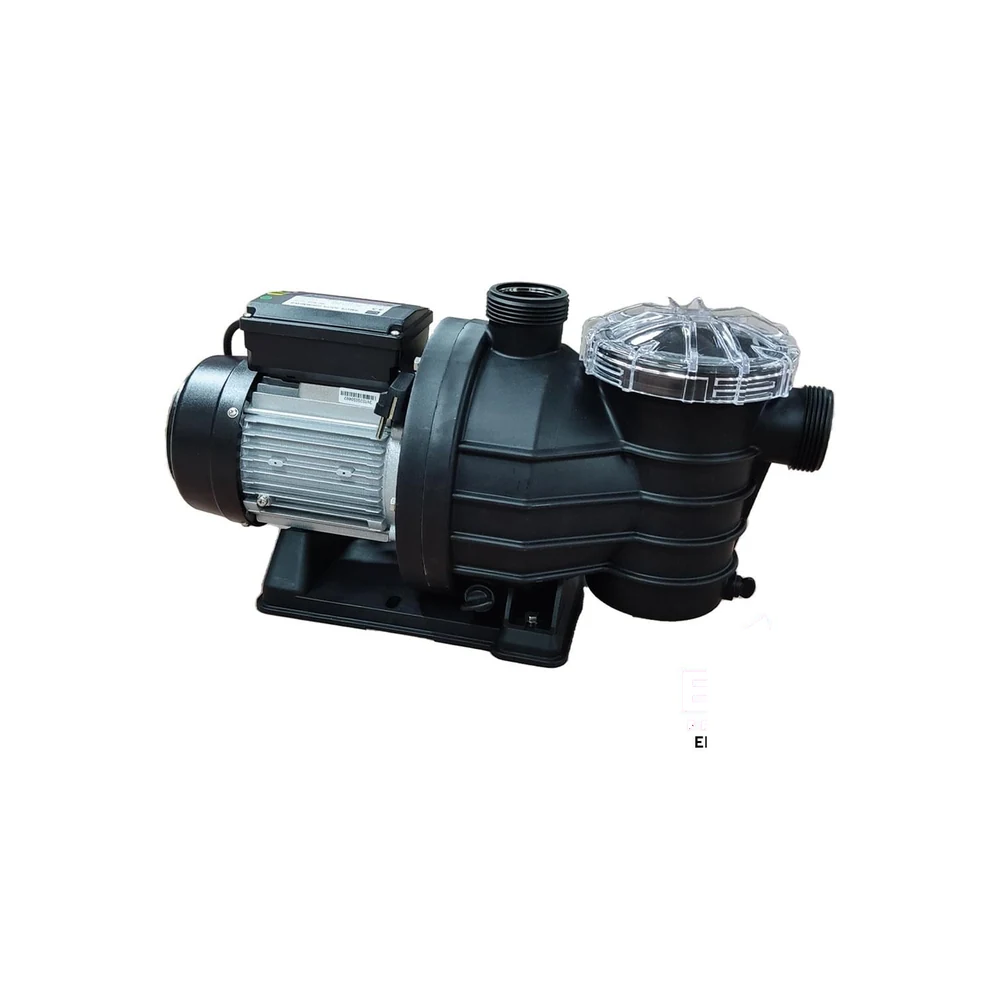
- Heavy-Duty Submersible Pump with an Automatic Float Switch: A submersible pump with a durable body and capable of passing solid particles (a vortex impeller model) is placed in this pit. When the water rises, the float switch starts the pump automatically and discharges the water to a permitted discharge point; the discharge point and the related permits must be determined in accordance with local regulations. The pump's electrical connection must be made by authorized persons with residual current protection.
- Sealing the Base with a Crushed Stone Blanket: As soon as the excavation is completed, a layer of 10-20 mm crushed stone approximately 15-20 cm thick is spread over the base and compacted with a vibrating plate compactor. In the event of rainfall, this layer helps reduce the formation of mud at the base and helps direct water toward the sump pit.
- Perimeter Earth Bund (Berm): Using the spoil from the excavation, a temporary protective bund 25-30 cm high is formed around the pit, with the aim of reducing the entry of surface water from the garden into the excavation.
03. Equipment and Infrastructure Table for Preventing Site Flooding
| Site Safety Measure | Common Site Oversight | Sermed Havuz Application Standard | Contribution to the Construction Process |
|---|---|---|---|
| Temporary Dewatering Well | Not dug; water spreads across the whole pit | Corner sump pit approximately 50 cm below the base level | Collects water at a single point and helps keep the base dry |
| Submersible Pump Readiness | A rental pump is sought only after flooding occurs | Float-operated automatic pump installed and ready on site | Ensures overnight rainfall is discharged before it accumulates |
| Base Protection | Bare soil is left exposed for days | A crushed stone blanket of roughly 15 cm is spread as soon as excavation ends | Aims to reduce mud formation and keeps the base ready for concreting |
| Surface Water Bund | Garden runoff flows freely into the pit | Compacted earth bund of roughly 30 cm around the perimeter | Helps prevent mud from the surroundings filling the pit |
| Speed of Base Slab Concreting | Formwork and reinforcement are left waiting for a long time | Where site conditions allow, crushed stone plus mesh reinforcement plus concrete pouring is planned within a short period | Aims to reduce the time of exposure to adverse weather |
Conclusion: In a rainy climate, pool excavation should not be started without a planned temporary drainage infrastructure. A sump pit and a crushed stone blanket help reduce program losses on site during rainfall; any firm commitment on duration depends on site and weather conditions.
Frequently asked questions
How is site dewatering managed during a sudden downpour in the middle of excavation so that the base slab concrete is not compromised?
Water is continuously discharged using a portable float-operated submersible pump placed in a collection well dug in the deepest corner of the excavation base. A crushed stone blanket laid before the subgrade turns to mud helps the water to drain through; the pump is kept running until the concrete has set.
If it rains immediately after the concrete has been poured, will the concrete be damaged?
If heavy rain begins in the first hours after the concrete has been screeded, the cement laitance on the surface can be washed away and surface strength can be affected. To prevent this, the surface should be covered with a waterproof sheet as soon as the pour is finished and proper curing conditions should be provided.
What happens if the water in the excavation pit is not drained?
If water stands in the pit for days, the soil can become saturated, the slopes can collapse and the base can lose its bearing capacity; in that case the softened material has to be removed and replaced with suitable fill, which means additional earthworks and cost.
What can be done to keep the submersible pump running during a power cut?
Since power cuts can occur in stormy weather, a backup generator or a petrol-driven motor pump can be kept on standby on critical sites. Backup supply connections must be made by a qualified electrician in accordance with local standards.